Compare Local Contractors for Shower Installation Success
Compare local contractors to define project scope, verify experience, and set clear expectations, ensuring a successful shower installation tailored to your property.
Shower installation projects typically involve a range of tasks, including removing existing fixtures, preparing the shower area, installing new plumbing connections, and securely fitting the chosen shower unit or enclosure. This work often covers selecting appropriate materials, ensuring proper sealing to prevent leaks, and finishing surfaces for a clean, functional appearance. Property owners should consider the specific scope of work needed for their space-whether it’s a complete overhaul or a simple replacement-to ensure the chosen service provider has relevant experience and can meet the project’s requirements effectively.
Clearly defining the scope of a shower installation is essential for establishing realistic expectations and avoiding misunderstandings. A detailed scope can include the type of shower system, the extent of demolition or prep work, any custom features, and finishing touches. When property owners specify these details in writing, it provides a clear reference point for contractors and helps facilitate accurate communication. This clarity can also support smoother project execution by ensuring all parties are aligned on what is included and what is not, reducing the risk of surprises or scope creep.
Comparing local contractors for shower installation involves evaluating their experience, reputation, and approach to similar projects. Property owners can review portfolios or ask for references to gauge a contractor’s familiarity with the work. It’s also helpful to verify how each service provider approaches project planning, communication, and problem-solving. By asking detailed questions and reviewing their work history, property owners can make informed comparisons and select a contractor who understands their needs and can deliver quality results. This process helps ensure the chosen professional is well-suited to handle the specifics of the installation project.
Compare local contractors by outlining your project priorities, verifying experience, and setting clear expectations in writing.
- Compare Contractor Credentials - Review the experience and reputation of local contractors to ensure reliable shower installation services.
- Define Project Scope - Clearly outline the work to be done to set accurate expectations with service providers.
- Verify Experience - Confirm that contractors have relevant experience with shower installation projects.
- Document Agreements - Keep written records of the scope, materials, and responsibilities to avoid misunderstandings.
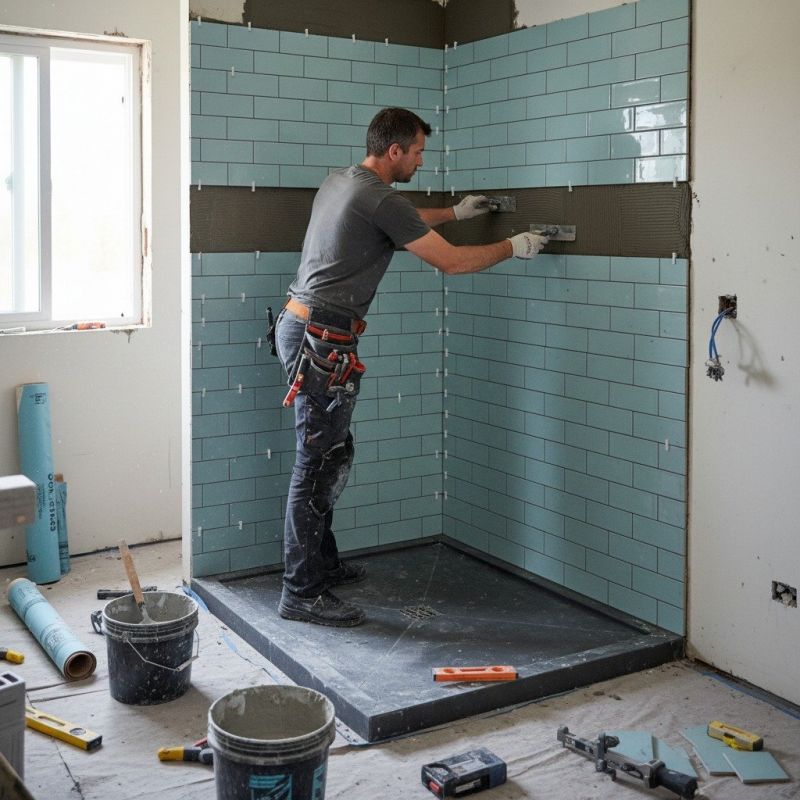
Before comparing contractors, clearly describe your shower project scope to ensure accurate options and expectations.
- Verify that the contractor clearly defines the scope of work for the shower installation. - Ensure service providers specify the materials, fixtures, and finishes included in the project.
- Check that the contractor has relevant experience with shower installations similar to the desired design. - Look for local contractors who can demonstrate expertise in installing various shower types and configurations.
- Confirm that the scope of work and expectations are documented in a written agreement. - A detailed contract helps prevent misunderstandings and outlines responsibilities for both parties.
- Assess whether the contractor provides a detailed plan or description of the installation process. - Understanding the steps involved can help set realistic expectations and identify potential issues early.
- Ensure the service provider discusses any necessary preparation or modifications to existing plumbing or structures. - Proper planning for underlying work can prevent delays and additional costs later.
- Compare multiple local contractors to evaluate their communication clarity and professionalism during initial consultations. - Clear, responsive communication is key to a smooth installation process.
Compare local contractors, verify experience, and clearly define project scope to set expectations effectively.
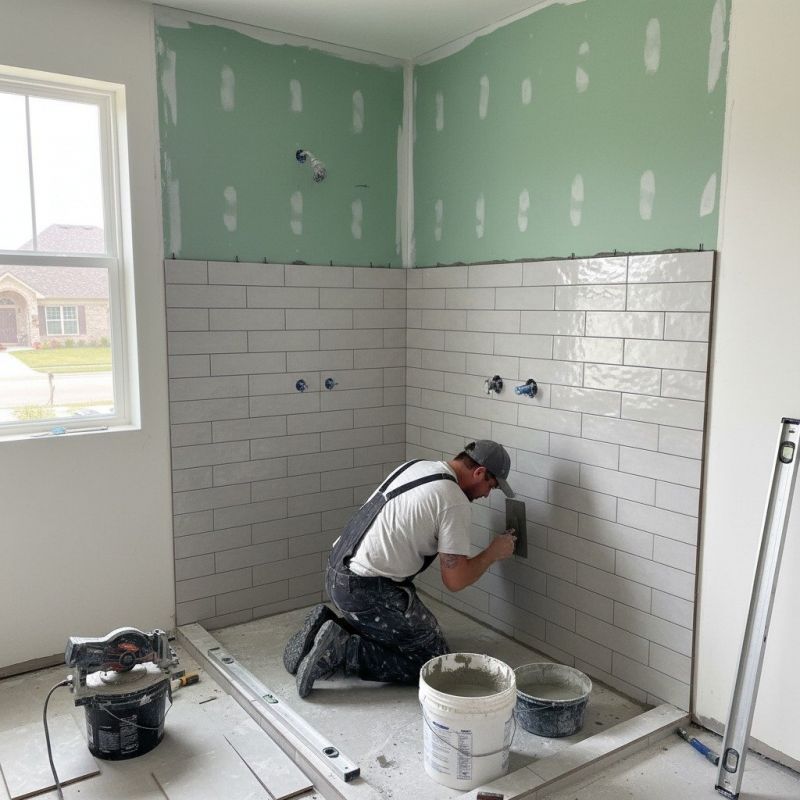
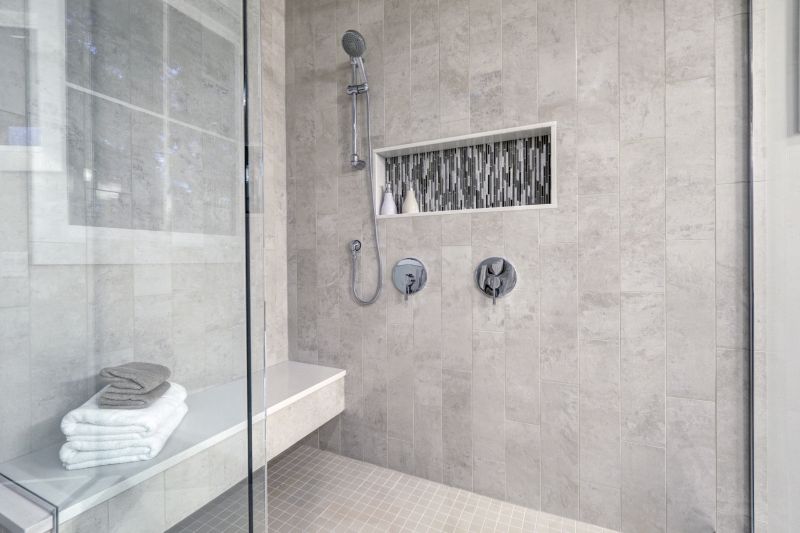
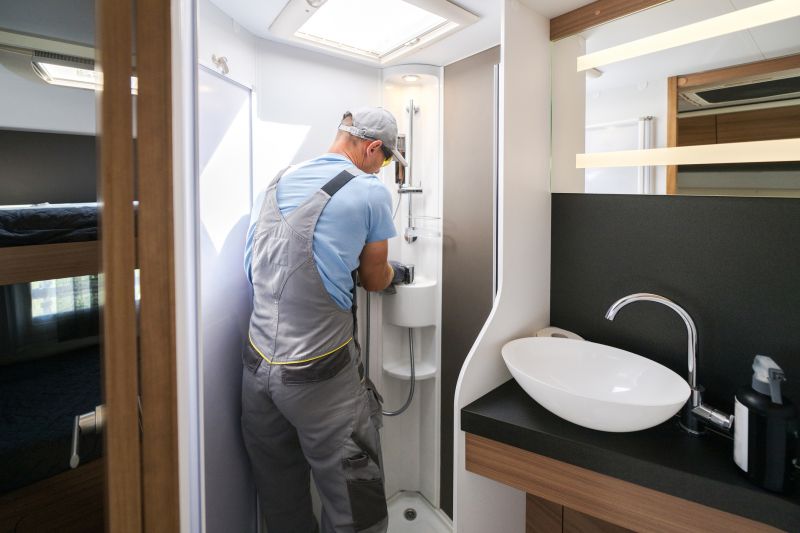
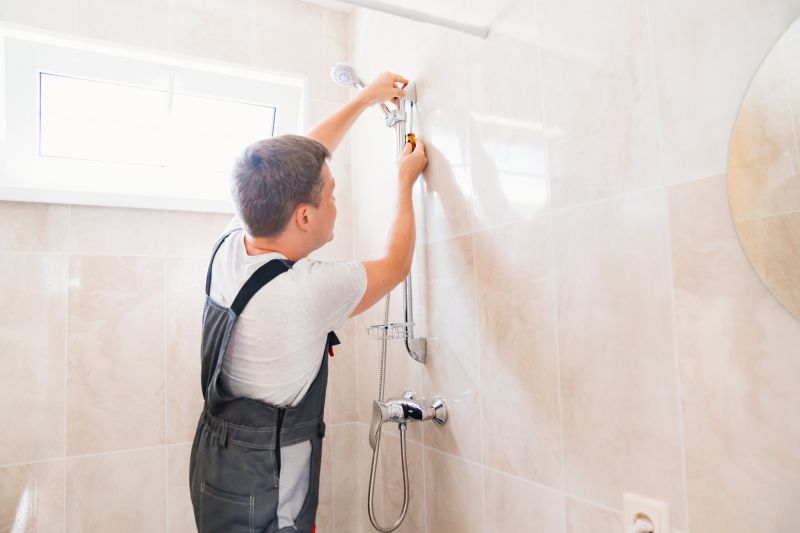
Compare local contractors' scope, experience, and written expectations to ensure consistent standards across shower installation projects.
- Scope Definition - Clearly outline the specific tasks and materials involved in the shower installation project.
- Experience Verification - Confirm that local contractors have relevant experience with shower installation projects of similar scope.
- Material Selection - Specify the types of shower units, tiles, fixtures, and accessories to be used in the installation.
- Installation Standards - Establish expectations for quality, adherence to building codes, and proper waterproofing techniques.
- Written Agreement - Document all project details, responsibilities, and scope in a detailed written contract with the service provider.
When comparing contractors for shower installation, it is important to consider their experience with similar projects. Homeowners should inquire about the types of shower installations the service providers have completed in the past, paying attention to the complexity and scope of those projects. A contractor with a proven track record handling a variety of shower styles and materials can often bring valuable expertise to ensure the work aligns with the homeowner’s expectations. Verifying that the contractor has completed comparable work can help gauge their familiarity with the specific challenges and requirements involved in shower installation.
Clarity in the project scope is essential for a successful outcome. Homeowners should seek service providers who can provide a detailed, written description of the work to be performed. This scope should outline the materials to be used, the process steps, and any specific features or customizations requested. Having a clear, documented scope helps prevent misunderstandings and ensures that both parties share the same expectations about what the project will entail. It also serves as a foundation for evaluating whether a contractor’s approach aligns with the homeowner’s needs.
Verification basics involve confirming a contractor’s experience and reputation through references or examples of completed work. Homeowners can ask for contact information of previous clients or for references that can attest to the quality and reliability of the service provider’s work. It’s also helpful to review any available project portfolios or case studies that demonstrate the contractor’s capabilities. While formal licensing or certification are not the focus, gathering insights from past clients and reviewing previous projects can provide valuable assurance about the contractor’s ability to deliver satisfactory results.
When evaluating options, homeowners should focus on how well each service provider’s experience, scope, and communication align with their project needs. Comparing the clarity of the written scope, the relevance of past projects, and the professionalism of the contractor’s communication can help identify the most reliable and capable service providers. It is important to ask questions, seek detailed explanations, and ensure that expectations are documented clearly before moving forward. This approach allows homeowners to make informed decisions based on experience and clarity, rather than price alone, leading to a smoother installation process.
Ask contractors to provide written scope details to ensure clear understanding and consistent expectations.
- Experience and Expertise - How do local contractors demonstrate their experience with shower installation projects?
- Scope of Work - What specific tasks are included in the installation process, and how are they defined in writing?
- Materials and Fixtures - Do contractors specify the brands and types of materials they plan to use for the shower?
- Project Expectations - How do local service providers clarify the scope, responsibilities, and deliverables before starting?
- Comparison Criteria - What factors should be considered when comparing different contractors’ approaches to shower installation?
How can I compare contractors for shower installation? To compare local contractors, review their experience, verify references, and examine their scope of work to ensure it aligns with project needs.
What should I consider when defining the scope of a shower installation? Clearly outline the desired shower size, style, materials, and any additional features to help contractors provide accurate proposals and avoid misunderstandings.
How do I verify a contractor’s experience with shower installations? Ask for examples of previous work, request references, and confirm how many similar projects they have completed to assess their expertise.
Why is it important to have the project scope in writing? Having a detailed scope of work in writing helps set clear expectations, reduces misunderstandings, and provides a reference throughout the project.
What questions should I ask potential contractors during the selection process? Inquire about their experience, request references, clarify the scope of work, and ask how they handle unforeseen issues or changes during installation.
How can I ensure the contractor understands my specific shower installation needs? Communicate your requirements clearly in writing, including design preferences, materials, and any special considerations, and confirm their understanding before work begins.
By exploring the options available, visitors can gain a clearer understanding of how to define the scope of a shower installation project, verify the experience of nearby contractors, and establish clear expectations in writing. This approach helps ensure that the process aligns with individual needs and preferences. Utilizing the quote form allows for easy comparison among local service providers, making it straightforward to connect with trusted contractors capable of handling the job.
Taking the time to compare different local contractors through the provided quote form supports making informed decisions about shower installation services. It offers a practical way to evaluate options, clarify project details, and find service providers equipped to meet specific requirements. Engaging with local professionals in this manner helps streamline the process of selecting the right contractor for the job.